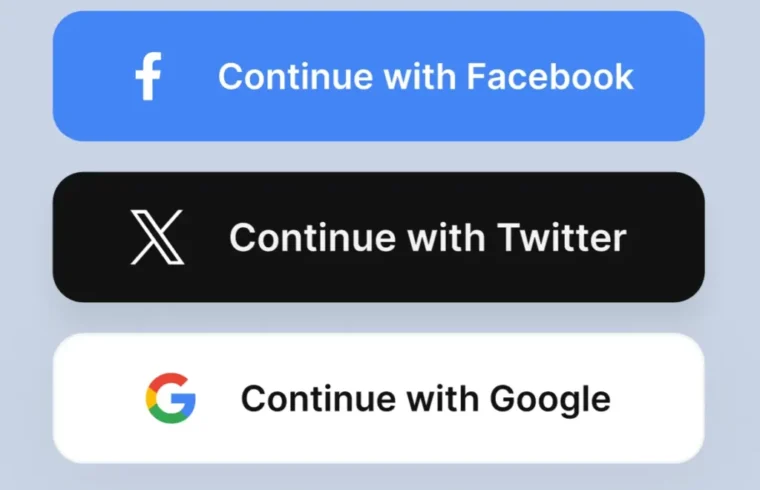
In today’s digital age, the convenience of Single Sign-On (SSO) options like “Sign in with Google” or “Sign in with Facebook” is tempting. However, relying on these methods can expose you to significant privacy and security risks.
Understanding Single Sign-On (SSO)
SSO allows users to access multiple services with one set of login credentials. While this streamlines the login process, it also creates a single point of failure. If your primary account is compromised, all linked accounts become vulnerable.
Risks Associated with SSO
- Data Privacy Concerns: Granting third-party services access through SSO can lead to excessive data sharing, including personal information and contact lists. This makes it challenging to monitor how your data is utilized across various platforms.
- Account Vulnerability: If your main account (e.g., Google or Facebook) is hacked, suspended, or experiences downtime, you risk losing access to all associated services. This interconnectedness can lead to widespread data breaches.
- Lack of Control: Using SSO means entrusting your account management to large tech companies, which may lock you out without warning. This loss of control can have significant implications for your online presence.
Best Practices for Secure Online Authentication
- Create Unique Accounts: Instead of using SSO, register for services with a unique email and password combination.
- Use a Password Manager: Employ reputable password managers to generate and store complex passwords securely.
- Enable Two-Factor Authentication (2FA): Add an extra layer of security by activating 2FA on all accounts that offer it.
- Regularly Monitor Account Activity: Keep an eye on your accounts for any unauthorized access or unusual behavior.
By taking these steps, you can enhance your online security and maintain greater control over your personal information. Prioritizing your digital privacy is essential in today’s interconnected world.