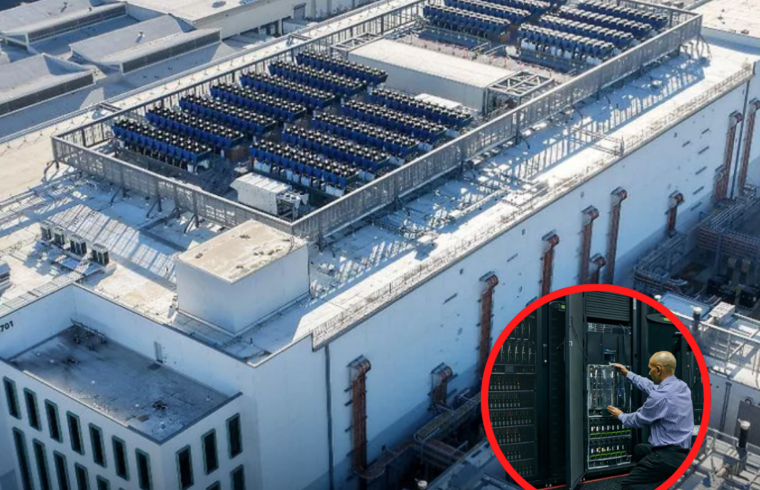
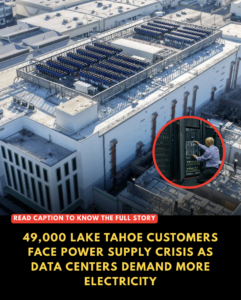
The energy demands of AI data centers are now directly threatening the power supply of residential communities. By May 2027, up to 49,000 residents in the Lake Tahoe region could lose their primary electricity source as their grid supplier shifts focus, dedicating more resources to nearby computing facilities.
According to reporting by Fortune, Nevada-based utility company NV Energy has given notice that it will stop providing power to the region after May 2027. This leaves California-based energy transmission company Liberty Utilities with a massive gap in its supply chain, as NV Energy currently supplies 75 percent of its total power.
Why NV Energy is Cutting the Cord
NV Energy supplies the bulk of the power to residents on both the California and Nevada sides of Lake Tahoe. But the data center boom is rapidly consuming Nevada’s broader power grid.
In 2024, an estimated 22 percent of the state’s total electricity generation capacity went toward massive computing centers. According to the Desert Research Institute, if current trends continue, that figure could rise to 35 percent by 2030.
In response to public concern, an NV Energy representative told Fortune that the decision to reduce power supply to Lake Tahoe was a “planned transition over many years,” not a reaction to recent changes.
For the people living there, however, the shift feels deeply dismissive. “It’s like we don’t exist,” Danielle Hughes, a Lake Tahoe resident and supervisor with the California Energy Commission’s Efficiency Division, told the magazine.
The Cost of Rewiring the Grid
Because of the complex jurisdictional and regulatory boundaries between California and Nevada, replacing this lost power won’t be easy. Liberty Utilities president Eric Schwarzrock noted it would cost “hundreds of millions of dollars” to connect Liberty to a new energy provider on the California side.
What Happens Next?
With just a year left until the May 2027 cutoff, the clock is ticking for Liberty Utilities and state regulators to secure a new macro-level grid supplier. While individual residents can’t go shopping for a new grid operator, they are left facing profound uncertainty over whether the infrastructure gap can be bridged in time—and whether the millions of dollars required to fix it will ultimately show up on their monthly utility bills.