In the early days of gaming, big publishers like EA, Ubisoft, and Activision were known for releasing a mix of large-scale blockbusters and smaller, experimental games. However, over the past decade, the gaming industry has seen a dramatic shift. Big publishers have largely stopped making small games, focusing almost exclusively on high-budget, high-revenue titles. But why did this happen? Let’s explore the reasons behind this trend.
The Rise of Blockbuster Games
The gaming industry has evolved into a multi-billion-dollar business, and big publishers are now prioritizing blockbuster games for several reasons:
- Higher Profit Margins:
Blockbuster games like Call of Duty, Assassin’s Creed, and FIFA generate massive revenues, often surpassing movies and other forms of entertainment. These games are designed to appeal to a broad audience, ensuring high sales and profitability. - Live Services and Microtransactions:
Modern blockbusters often include live services, such as seasonal updates, battle passes, and in-game purchases. These features create a steady stream of revenue long after the initial sale, making them more lucrative than one-time purchases of smaller games. - Brand Recognition:
Established franchises have built-in fan bases, reducing the risk associated with new releases. Publishers prefer to invest in sequels and spin-offs of popular series rather than taking chances on unproven, smaller titles.
Why Small Games Were Left Behind
While small games often receive critical acclaim and cult followings, they struggle to compete in today’s market:
- High Development Costs:
Even small games require significant resources to develop, market, and distribute. With rising costs, publishers are less willing to invest in projects that may not generate substantial returns. - Market Saturation:
The rise of indie developers and digital distribution platforms like Steam and itch.io has flooded the market with small games. While this is great for gamers, it makes it harder for big publishers to stand out in this crowded space. - Shift in Consumer Expectations:
Gamers today expect high-quality graphics, immersive worlds, and extensive content. Small games, often limited by budget and scope, struggle to meet these expectations compared to blockbuster titles.
The Role of Indie Developers
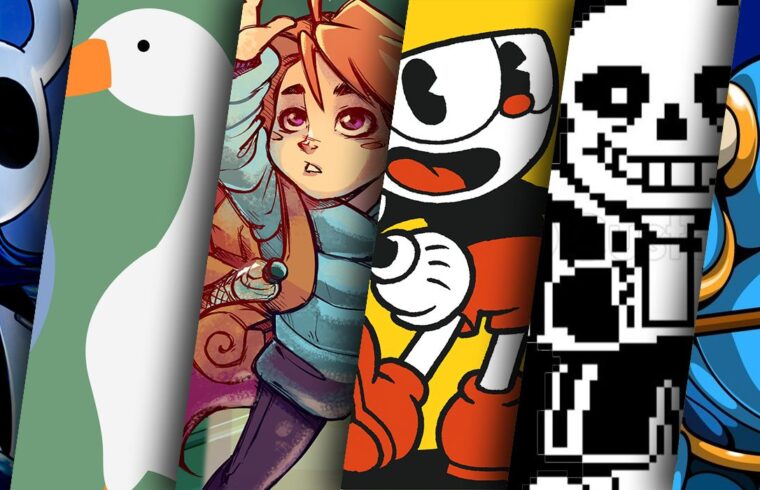
While big publishers have stepped away from small games, indie developers have filled the gap. Platforms like Steam, the Nintendo eShop, and Xbox Game Pass have made it easier for indie games to reach a global audience. Titles like Hades, Celeste, and Stardew Valley have proven that small games can achieve both critical and commercial success.
Will Big Publishers Return to Small Games?
Some publishers are experimenting with smaller projects through initiatives like EA Originals and Ubisoft’s indie-focused programs. However, these efforts remain limited compared to their blockbuster-focused strategies. For now, the responsibility of keeping small games alive lies primarily with indie developers and niche publishers.