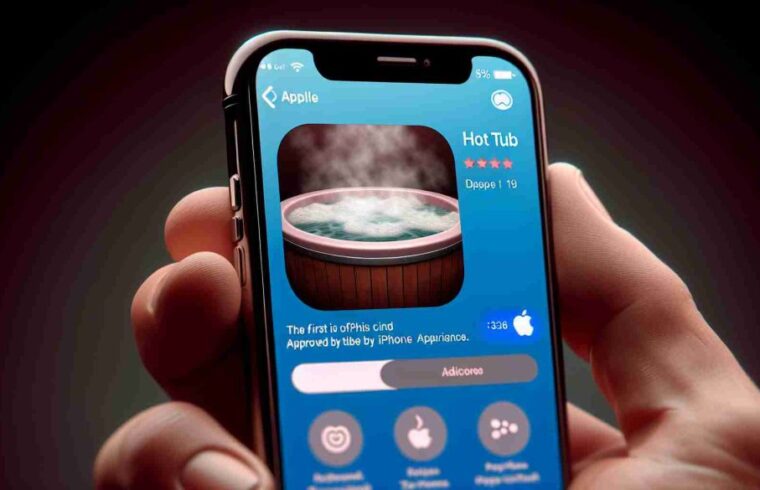
In a groundbreaking move, AltStore has introduced the first adult app to iPhones in the European Union (EU), bypassing Apple’s strict App Store guidelines. This development comes as a result of the EU’s Digital Markets Act (DMA), which forces Apple to allow alternative app stores on its devices. While this marks a significant shift in Apple’s ecosystem, the tech giant is far from pleased. Here’s everything you need to know.
What is AltStore?
AltStore is an alternative app store for iOS devices, created by developer Riley Testut. It allows users to sideload apps that aren’t available on the official App Store, thanks to its compliance with the EU’s DMA regulations. AltStore has gained popularity for offering apps that Apple typically rejects, including emulators and now, adult content.
The First Adult App on iPhones
The app in question is an adult content platform that has been made available through AltStore. This marks the first time such an app has been accessible on iPhones in the EU without requiring jailbreaking or other workarounds. Key details include:
- Direct Download: Users can install the app directly from AltStore without needing Apple’s approval.
- EU-Only Availability: The app is currently limited to EU users due to the DMA’s jurisdiction.
- Controversial Move: While some celebrate the increased freedom, others worry about the implications for user safety and content moderation.
Why Apple Isn’t Happy
Apple has long maintained strict control over its App Store, citing security and privacy concerns as the primary reasons for its closed ecosystem. The introduction of adult apps through AltStore challenges this control and raises several issues:
- Security Risks: Apple argues that sideloading apps increases the risk of malware and phishing attacks.
- Content Moderation: The App Store’s guidelines are designed to filter out inappropriate or harmful content, which alternative app stores may not enforce as strictly.
- Revenue Impact: Apple takes a 15-30% cut of App Store sales, and alternative stores like AltStore could divert revenue away from the tech giant.
The Role of the EU’s Digital Markets Act
The DMA, which came into effect in 2024, aims to promote competition and reduce the dominance of big tech companies like Apple. Key provisions include:
- Allowing third-party app stores on iOS devices.
- Enabling sideloading of apps.
- Requiring tech giants to open up their ecosystems to smaller competitors.
This legislation has forced Apple to make significant changes to its iOS platform in the EU, including the introduction of alternative app stores like AltStore.
What This Means for Users
For EU iPhone users, this development offers more freedom and choice when it comes to downloading apps. However, it also comes with risks:
- Pros: Access to apps that were previously unavailable, greater customization options, and reduced reliance on Apple’s ecosystem.
- Cons: Potential security vulnerabilities, exposure to unmoderated content, and compatibility issues with future iOS updates.