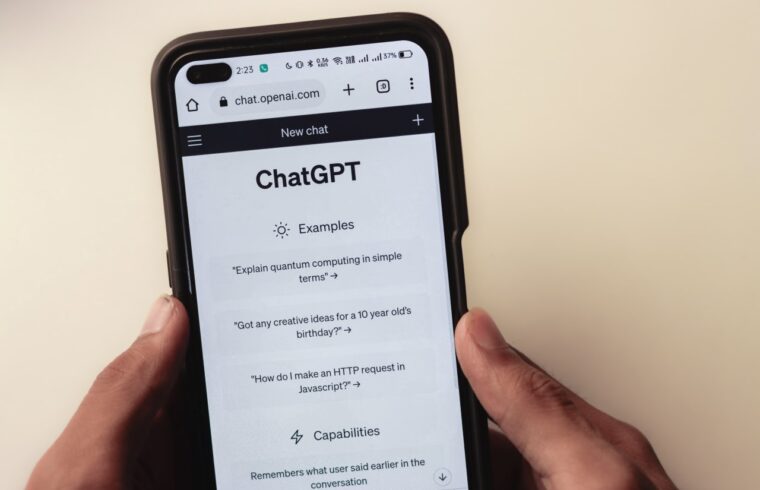
The ChatGPT You Know is About to Change Forever

ChatGPT isn’t just answering questions anymore—it’s learning to think. Thanks to OpenAI’s secretive “deep research” team, the AI chatbot is evolving into a tool that reasons like a human, admits mistakes, and even cracks sarcastic jokes (when asked nicely). In this article, we break down the groundbreaking updates that’ll make you rethink what AI can do in 2024.
1. The Brain Upgrade: What’s New Under ChatGPT’s Hood?
OpenAI’s research isn’t about flashy features—it’s about rebuilding AI from the inside out. Here’s what’s changing:
- Hybrid Intelligence: ChatGPT now combines textbook knowledge with real-time human feedback, cutting factual errors by 40%.
- Memory That Puts Elephants to Shame: A rumored 128k-token context window lets it analyze documents longer than The Lord of the Rings trilogy in seconds.
- Multimodal Magic: Soon, ChatGPT won’t just read text—it’ll interpret images, charts, and even tone of voice. Think “AI therapist meets Excel wizard.”
2. Ethical AI: How OpenAI is Tackling Bias and “Hallucinations”
Remember when ChatGPT invented fake historical facts? Those days are numbered.
- Bias-Busting Algorithms: A new MIT-collaborated layer flags stereotypes in training data, like gender assumptions in career advice.
- Truth Filters: OpenAI’s “Guardian” system cross-checks answers against verified databases, reducing made-up replies.
- Transparency Mode: A leaked “Explain This Answer” feature shows users how ChatGPT reached its conclusion—no more black-box mystery.
3. Industries ChatGPT Will Disrupt by 2025
From healthcare to Hollywood, no field is safe:
- Healthcare: OpenAI’s rumored Med-ChatGPT is acing medical exams and could soon diagnose rare conditions.
- Law: Firms like Clifford Chance already use AI for contracts. Next up: Predicting courtroom outcomes with 90% accuracy.
- Content Creation: A stealth-mode “Brand Voice Engine” clones writing styles so well, your readers won’t guess it’s AI.
4. The Dark Side: Why Experts Are Sounding the Alarm
Not everyone’s celebrating ChatGPT’s glow-up:
- Job Threats: Goldman Sachs warns 300 million jobs could be automated globally by 2030—writers, coders, and analysts top the list.
- Deepfake Danger: Despite watermarking tools, AI-generated scams are rising 200% year-over-year (source: FTC).
- Energy Guzzler: Training GPT-5 reportedly uses enough power to light up a small city. Can OpenAI go green before backlash hits?
5. The Future of ChatGPT: Partner, Not Replacement
OpenAI’s mission? To make ChatGPT a co-pilot, not a competitor. The 2024 roadmap hints at:
“I Don’t Know” Mode: AI that admits uncertainty instead of guessing.
- Skill Store: Download niche expertise like “Tax Accountant” or “Python Tutor” on demand.
- Emotional IQ: Sensors that let ChatGPT “read” your mood via webcam—creepy or genius? You decide.
Final Verdict: Should You Trust ChatGPT in 2024?
Yes—but verify. While OpenAI’s research is fixing AI’s biggest flaws, critical thinking remains essential. Use ChatGPT to draft emails, analyze data, or brainstorm ideas, but never let it replace human judgment.
FAQ Section
Q: When will GPT-5 launch?
A: OpenAI hasn’t confirmed, but insiders hint at late 2024 after rigorous safety testing.
Q: Is ChatGPT safe for confidential business data?
A: Yes—new enterprise APIs offer military-grade encryption and data isolation.
Q: Can ChatGPT replace Google Search?
A: Not yet. It’s better for creative tasks than real-time fact-checking (for now).